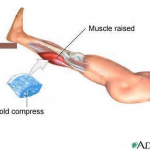
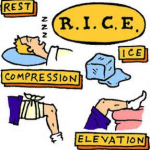
Control swelling and prevent re-aggravation with RICE (rest, ice, compression, rest) technique. Apply a wrap, sling, brace, or a splint for compression therapy. Rest the muscle for at least a day. Ice immediately, for 10 to 15 minutes every two hours. Elevate injury above the heart level, if possible at least 24 hours.
Manage pain and inflammation. Follow up after injury with elevation and ice therapy every three to four hours.
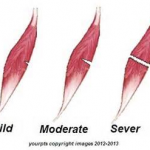
A muscle strain, is also known as a pulled muscle. The muscle is over-stretched, and a small tear is within the muscle. Muscle strain injuries are graded one to three.
Grade 1 is mild discomfort, typically does not limit activity. Grade 2 is moderate discomfort, with limitation to perform high intensity activities. Moderate swelling and bruising is relative. Grade 3 is severe injury with significant pain. Other related symptoms are muscle spasms, swelling, and profound bruising.
Warming up prior and after activity helps muscle flexibility and prevents aggravation. Exercising with stiff muscles increases the likelihood of a muscle strain.
Avoid muscle fatigue. Muscles help absorb energy, and restoring muscle strength helps prevent re-aggravation. Fatigued muscles are more prone to injury.
Heat therapy helps a stiff muscle. A warm muscle is less likely to sustain a strain.
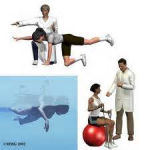
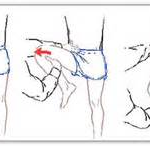
Stretching and strengthening is necessary therapy to maintain muscle flexibility. Regaining muscle strength within six weeks is the objective of therapy exercises. The rest period after injury enervates muscle strength.
Upon stabilizing swelling and inflammation immediately attempt range-of-motion (ROM) exercises to restore muscle flexibility and strength. Only exercise without pain.