


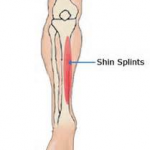
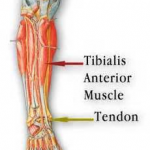
Strain symptoms for anterior tibial (shin) strain usually is leg swelling and leg tenderness in front of the shin. Specially pain over the inside lower half of the shin bone. Sometimes the swelling resembles lumps and bumps alongside the shin bone. Pain can be aggravated when toes or the foot are bent downward. Occasionally severe cases cause red inflammation over the inside of the shin.
Shin splints is a common reference for shin pain but distinguishing them are very important. The most common shin problems known as ‘Shin Splints’ is Medial Tibial Stress Syndrome. Medial Tibial Stress Syndrome is irritation of the Tibia (shin bone). Runners are regularly affected, because of running on hard surfaces.
The most common shin splints symptoms are
- over-pronation of the feet where the foot rolls inwards too much flattening the arch of the foot and causing the lower leg to rotate inwards
- over-supination of the feet where the foot rolls outwards too much during the time the foot is in contact with the ground
- inadequate footwear (wrong shoe for various running styles, outdated support and cushioning in the shoe)
- intensifying workouts hastily
- running on hard surfaces
- less ankle flexibility and more stress soft tissues, muscles and tendons
- medial tibial stress syndrome (common cause of shin splints)
- stress fractures
- exercise induced compartment syndrome
Initial treatment is the conventional RICE (rest, ice, compression, elevation) method specially ice and compression to reduce swelling and help circulation.
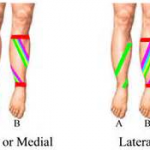
Shin splints taping is helpful for muscle supporting and stabilizing pain. A compression wrap or brace should be two inches. Ice the injury 20 minutes, every two hours, for up to three days. Shin splint stretches are for the lower leg muscles, particularly calf stretching exercises for the Tibialis Posterior muscle, which is associated with shin splints.
When there is no pain attempt ankle range-of-motion stretches to improve muscle flexibility. Rest and elevation are very important subtleties that help circulation and start physiotherapy rehabilitation exercises.


